


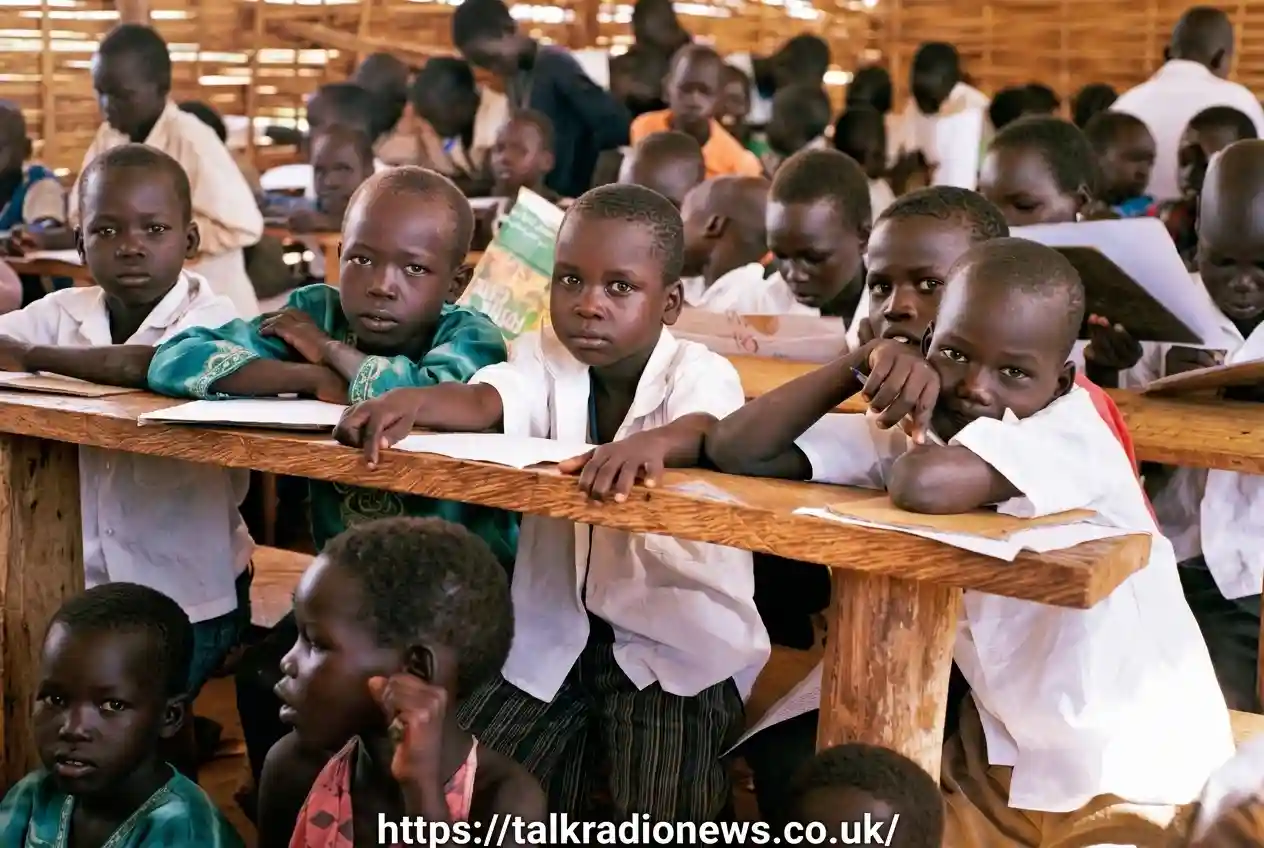
Access to education in Kenya and Sudan differs significantly due to variations in government policies, economic stability, cultural attitudes, and historical conflicts. Kenya’s investment in free primary and secondary education has improved enrollment, while Sudan faces challenges from decades of conflict and underfunded schools, leaving millions of children without proper learning opportunities.
- Key Takeaways
- Education Access: Kenya vs. Sudan
- A Tale of Two Histories: Colonial Legacies and Independence
- Government Policies and Investment
- Economic Factors and Household Income
- Cultural Attitudes and Community Involvement
- Gender Disparities in Education
- The Rural-Urban Divide
- Infrastructure and Resource Challenges
- The Role of International Aid and NGOs
- Future Outlook and Paths Forward
- Frequently Asked Questions (FAQ)
- What is the biggest barrier to education in Sudan?
- Is education really free in Kenya?
- How does gender affect education in these countries?
- What role do nomadic lifestyles play in education access?
- How does the rural-urban divide impact education?
- What role do international aid and NGOs play?
- What is the future outlook for education in Kenya and Sudan?
- Conclusion
Key Takeaways
- Access Gap Root Causes – Kenya’s political stability, government commitment, and economic growth contrast sharply with Sudan’s decades of conflict, political instability, and poverty.
- Policy Makes a Difference – Kenya’s Free Primary & Secondary Education policies have boosted enrollment; Sudan lacks cohesive national education policies.
- Gender Disparities – Kenya is nearing gender parity in primary school; Sudan’s girls face cultural barriers, early marriage, and safety challenges.
- Rural-Urban Divide Matters – Urban children in both countries get better education; rural areas in Sudan are severely underserved.
- Infrastructure & Teacher Availability – Kenya struggles with overcrowding; Sudan faces destroyed schools, few trained teachers, and minimal resources.
- International Support – Kenya benefits from long-term development aid; Sudan mostly gets emergency humanitarian aid.
- Future Focus – Kenya is moving from access to quality & technology; Sudan’s priority is rebuilding schools, training teachers, and achieving political stability.
Education Access: Kenya vs. Sudan
| Feature / Factor | Kenya | Sudan |
|---|---|---|
| Primary School Net Enrollment | High (~88%) [UNESCO 2025] | Low (~45%) [UNICEF 2025] |
| Government Spending on Education (% of GDP) | 5.5% | 1.5% |
| Key Government Policy | Free Primary & Secondary Education (FPE & FDSE) | Limited cohesive national policies; emergency aid programs |
| Primary Challenge | Overcrowding in public schools, resource strain | Lack of access, destroyed infrastructure, teacher shortages |
| Gender Parity (Primary) | Nearly equal (girls ~87%, boys ~88%) | Significant gap (girls ~40%, boys ~50%) |
| Secondary Education Enrollment | Moderate (~60%) | Very low (~25%) |
| Impact of Conflict | Localized / sporadic | Widespread / systemic; decades of civil war & Darfur conflict |
| Rural-Urban Divide | Urban schools better funded; government improving rural access | Most schools concentrated in Khartoum; rural areas underserved |
| Quality of Teaching | Improving with training programs & NGOs | Severe shortage of trained teachers; many volunteer instructors |
| Infrastructure & Resources | Existing network but overcrowded; textbooks sometimes limited | Decimated school buildings; many classes under trees or tents |
| Role of International Aid | Long-term development aid (World Bank, UNICEF) | Mostly humanitarian aid; limited development programs |
| Technology & E-Learning | Increasing adoption: e-learning platforms, digital classrooms | Minimal adoption; access limited to urban centers or NGOs initiatives |
| Future Outlook | Focus on improving quality, tech integration, curriculum reform | Rebuilding system post-conflict; dependent on peace, government & international support |
A Tale of Two Histories: Colonial Legacies and Independence
The historical paths of Kenya and Sudan have profoundly shaped their modern education systems. Both countries were under British rule, but their experiences and post-independence trajectories were vastly different.
Kenya’s Post-Independence Focus on Education
When Kenya gained independence in 1963, its new government, led by Jomo Kenyatta, declared a war on “ignorance, poverty, and disease.” Education was identified as a key weapon in this fight. The government invested heavily in building schools, training teachers, and creating a national curriculum. This early emphasis on education as a tool for national development created a strong foundation. While the system has faced many hurdles over the years, this initial commitment established a culture that values schooling and has driven policy decisions for decades.
Sudan’s Decades of Conflict and Instability
Sudan’s story since its independence in 1956 has been marked by prolonged civil wars and political instability. The First and Second Sudanese Civil Wars, along with the conflict in Darfur, spanned decades, diverting resources away from social services like education and toward military spending. Constant conflict destroyed schools, displaced millions of people, and created a lost generation of children who never had the chance to attend class. This instability has made it nearly impossible to build and sustain a cohesive, functioning education system, a primary reason why does access to education in Kenya and Sudan difference.
Government Policies and Investment
A government’s commitment to education is often measured by its budget allocation and policy implementation. Here, Kenya and Sudan show significant divergence.
Kenya’s Free Primary and Secondary Education Policies
Kenya has made significant strides in making education accessible through bold policy moves. In 2003, the government introduced Free Primary Education (FPE), which eliminated tuition fees and led to a massive surge in enrollment. This was followed by the introduction of Free Day Secondary Education in 2008, further reducing the financial burden on families. These policies, supported by a significant portion of the national budget, have been instrumental in getting millions more children into school, even though challenges like classroom overcrowding and resource shortages persist.
Sudan’s Fragmented and Underfunded System
In contrast, Sudan’s education system has been chronically underfunded. Decades of international sanctions, coupled with internal conflict, have crippled the economy and left little money for public services. The government has struggled to pay teachers, provide learning materials, and maintain school buildings. The recent political turmoil and the secession of South Sudan in 2011 further complicated matters, creating uncertainty and disrupting what little progress had been made.
Economic Factors and Household Income
The economic health of a nation and the financial status of its families play a critical role in a child’s ability to attend school.
Kenya’s Growing Economy and Its Impact
Kenya has one of the more diverse and dynamic economies in East Africa. While poverty is still a significant issue, economic growth has created a growing middle class and increased the capacity of both the government and individual families to invest in education. Even with free primary education, costs like uniforms, books, and transportation can be a barrier. However, a relatively more stable economic environment means more families can afford these indirect costs compared to their Sudanese counterparts.
Sudan’s Economic Crisis and Widespread Poverty
Sudan has faced severe economic crises for years. High inflation, unemployment, and a heavy reliance on a few key exports have left the economy vulnerable. Widespread poverty means that many families cannot afford even the most basic costs associated with schooling. Often, children are required to work to help support their families, making education a luxury they cannot afford. This economic hardship is a major driver of the low enrollment and high dropout rates in the country.
Cultural Attitudes and Community Involvement
Cultural norms and the value a community places on formal education can either support or hinder a child’s learning journey.
The Strong Value Placed on Education in Kenya
In many Kenyan communities, education is seen as the primary pathway to a better life. Parents will often make immense sacrifices to ensure their children can go to school. This cultural emphasis is reinforced by community-led initiatives, such as fundraising for local schools or supporting bright but needy students. This societal pressure and support system create an environment where school attendance is encouraged and celebrated.
Survival Priorities in Sudanese Communities
In many parts of Sudan, particularly in conflict-affected regions, the daily focus is on survival. Access to food, water, and safety takes precedence over everything else. While parents undoubtedly want the best for their children, the immediate and pressing needs of survival often overshadow the long-term benefits of education. Furthermore, nomadic traditions in some communities can make consistent school attendance difficult.
Gender Disparities in Education
Gender inequality remains a significant barrier to education in many parts of the world, but the gap between boys and girls varies between Kenya and Sudan.
Bridging the Gender Gap in Kenya
Kenya has made substantial progress in achieving gender parity in primary education, with enrollment rates for girls and boys being nearly equal. This is the result of targeted government and NGO programs aimed at empowering girls, addressing cultural barriers, and making schools safer for female students. Challenges remain, especially at the secondary and tertiary levels, but the trend is positive.
The Significant Challenges Facing Girls in Sudan
In Sudan, girls are at a significant disadvantage. Cultural norms that prioritize boys’ education, early marriage, and the burden of household chores keep many girls out of school. According to a report from UNICEF, millions of children are out of school in Sudan, with girls being the most affected. The lack of female teachers and safe, separate sanitation facilities in schools also acts as a major deterrent for parents to send their daughters to school.
The Rural-Urban Divide
Where a child lives often determines the quality and availability of education they can receive.
Access in Kenya’s Urban vs. Rural Areas
Kenya experiences a notable gap in educational resources between its urban centers and rural areas. City schools in places like Nairobi and Mombasa are generally better funded, have more qualified teachers, and achieve better academic results. However, the government and various organizations have made efforts to improve rural schools through infrastructure projects and teacher deployment programs, helping to narrow this divide over time.
A Vastly Underserved Rural Population in Sudan
The rural-urban divide in Sudan is a chasm. The majority of the country’s schools and qualified teachers are concentrated in Khartoum and a few other major cities. Rural and remote areas, especially those impacted by conflict like Darfur and Kordofan, have been almost completely neglected. Many villages have no school at all, and those that do are often simple structures lacking basic materials, water, and electricity.
Infrastructure and Resource Challenges
A school is more than just a building. It requires teachers, books, desks, and a safe environment to be effective.
Kenya’s Struggle with Overcrowding
While Kenya’s push for free education was successful in boosting enrollment, it also led to severe overcrowding in public schools. Classes with over 60 students are common, which strains resources and impacts the quality of teaching. Despite this, the existence of a widespread network of schools, however strained, is a testament to the country’s long-term investment in educational infrastructure.
Sudan’s Decimated School Infrastructure
In Sudan, the basic infrastructure for education is often non-existent. Years of conflict and neglect have left many school buildings destroyed or in a state of disrepair. There is a critical shortage of textbooks, learning materials, and trained teachers. Many “schools” are conducted under trees, with volunteer instructors and no formal curriculum, a stark illustration of why does access to education in Kenya and Sudan difference.
The Role of International Aid and NGOs
Non-governmental organizations (NGOs) and international partners play a crucial role in filling the gaps left by governments.
How Aid Supports Kenya’s Education Goals
Kenya has a long history of partnering with international bodies like the World Bank, UNICEF, and various national aid agencies. This aid has been vital in funding projects like the Free Primary Education initiative, building schools, and providing teacher training. A stable political environment makes it easier for these organizations to operate effectively and implement long-term programs.
Humanitarian Aid vs. Development in Sudan
In Sudan, international involvement has often been in the form of emergency humanitarian aid rather than long-term development projects. Organizations focus on providing basic necessities in refugee camps and conflict zones, where “education in emergencies” programs offer basic literacy and numeracy. The political instability and sanctions have historically made it difficult for development partners to engage in the kind of systemic, long-term educational reform that has been possible in Kenya.
Future Outlook and Paths Forward
Looking ahead, the futures of education in Kenya and Sudan appear to be heading in different directions, at least in the short term.
Kenya: Focusing on Quality and Technology
For Kenya, the main challenge is no longer just access, but quality. The focus is shifting toward improving learning outcomes, reducing class sizes, and integrating technology into the classroom. The government is also reforming the curriculum to better align with the needs of the 21st-century job market. While significant hurdles remain, the foundation and political will for continued improvement are there.
Sudan: The Long Road to Rebuilding
Sudan’s path is much more challenging. The first step must be achieving lasting peace and political stability. Without a secure environment, any effort to rebuild the education system is futile. The future of education in Sudan will depend on national reconciliation, significant investment from both the government and international partners like the Global Partnership for Education, and a massive effort to train teachers and rebuild schools from the ground up.
Frequently Asked Questions (FAQ)
What is the biggest barrier to education in Sudan?
Ongoing conflict, political instability, and poverty prevent many children from attending school and disrupt the education system.
Is education really free in Kenya?
Public primary and day secondary schools are tuition-free, but parents still pay for uniforms, books, and exam fees.
How does gender affect education in these countries?
Kenya has near gender parity in primary school, while girls in Sudan face cultural barriers, early marriage, and unsafe school environments.
What role do nomadic lifestyles play in education access?
Nomadic communities in both countries struggle with consistent school attendance due to mobility; in Sudan, this challenge is more widespread.
How does the rural-urban divide impact education?
Urban children generally access better schools and resources, while rural areas, especially in Sudan, are underserved.
What role do international aid and NGOs play?
In Kenya, long-term development aid supports education programs; in Sudan, most support is emergency humanitarian aid.
What is the future outlook for education in Kenya and Sudan?
Kenya is shifting focus to quality and technology in classrooms; Sudan must rebuild schools, train teachers, and ensure political stability.
Conclusion
The journey of a child seeking education in Kenya is vastly different from that in Sudan. Kenya’s commitment to free primary and secondary schooling has opened doors for millions, despite challenges like overcrowding. Sudan, however, faces decades of conflict, poverty, and underfunded schools, limiting access for many children. Understanding these differences highlights how peace, governance, and economic stability shape educational opportunities. For more insights on global education developments and policies, readers can refer to TalkRadioNews
for updated news and reports. Moving forward, Kenya aims to improve quality and integrate technology, while Sudan must focus on rebuilding schools, training teachers, and achieving lasting stability to unlock education for all.














Leave a comment