


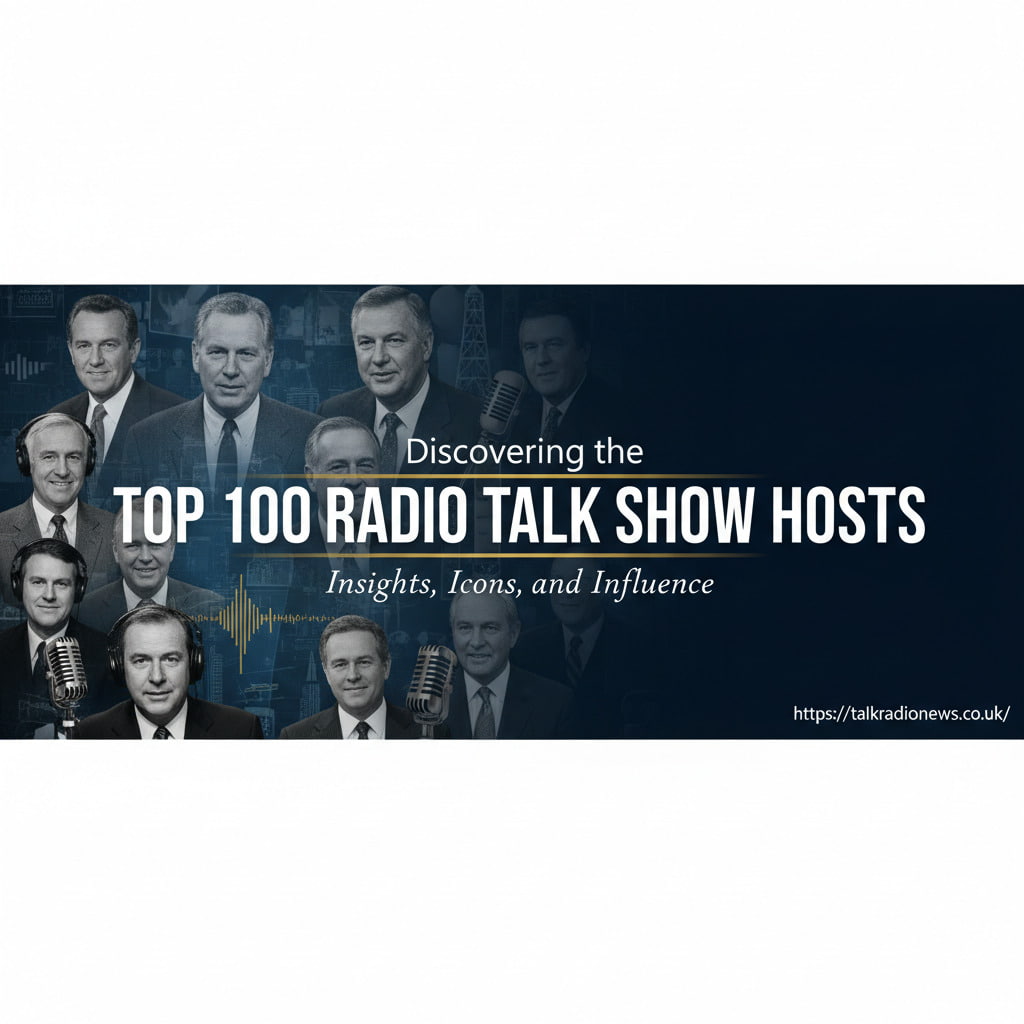
Radio has a unique and lasting power. Even with all the new ways we get information, the voice of a trusted host coming through our speakers still holds a special place. These hosts become part of our daily routines, whether on the morning commute or during a late-night show. They inform, entertain, and make us think. This article will explore the world of radio broadcasting by looking at the figures who shape public conversation. We will dive into what it takes to be considered one of the top 100 radio talk show hosts and highlight some of the names that consistently define the industry.
- What Makes a Great Radio Talk Show Host?
- A Look at the Top 100 Radio Talk Show Hosts Landscape
- Beyond Politics: Other Genres in Talk Radio
- How Talk Radio Stays Relevant
- Host Comparison: Different Styles, Different Audiences
- Frequently Asked Questions (FAQ)
- Conclusion
Key Takeaways
- Radio talk shows remain a powerful medium for news, entertainment, and opinion in the digital age.
- Hosts achieve success through a combination of a unique voice, deep topic knowledge, strong audience connection, and consistency.
- The landscape of talk radio is diverse, featuring voices from conservative, progressive, sports, and lifestyle genres.
- Becoming a top host requires dedication, resilience, and the ability to adapt to changing media trends.
What Makes a Great Radio Talk Show Host?
Becoming a leading voice in radio is about more than just having a pleasant voice. The most successful hosts possess a unique blend of skills that keeps millions of listeners tuning in. A key ingredient is having a distinct personality and a clear point of view. Listeners are drawn to hosts who are authentic and passionate about their topics. They don’t just report the news; they offer a perspective that makes the audience think, laugh, or even argue back. This ability to provoke emotion and thought is what builds a loyal following.
Another critical factor is deep knowledge of their subject matter. Whether they cover politics, sports, or finance, the best hosts are experts in their field. They spend countless hours researching, preparing, and staying current on the latest developments. This expertise allows them to provide insightful analysis and conduct meaningful interviews. Listeners trust hosts who are well-informed and can break down complex issues in a way that is easy to understand. This foundation of knowledge is essential for building credibility.
Finally, the ability to connect with the audience on a personal level is what separates the good from the great. Top hosts make their listeners feel like they are part of a community. They use humor, share personal stories, and interact with callers to create an engaging and inclusive experience. This connection turns passive listeners into active fans who feel a genuine bond with the host and the show.
A Look at the Top 100 Radio Talk Show Hosts Landscape
The list of the top 100 radio talk show hosts is a dynamic reflection of the nation’s interests and conversations. This roster is not just a measure of popularity; it represents influence and impact. While names and rankings can shift from year to year, the list consistently features a mix of established legends and rising stars who command the airwaves. These individuals are the titans of talk, shaping opinions on everything from political policy to the latest sports controversies.
Historically, political commentators have dominated these lists. Hosts with strong conservative or progressive viewpoints have built massive audiences by providing a platform for like-minded listeners. However, the landscape is more diverse than ever. You will also find sports analysts who break down every play, financial gurus offering advice on wealth-building, and lifestyle experts discussing health and relationships. This variety shows that talk radio can cater to nearly any interest.
The criteria for making such a list often include factors like audience size (measured by ratings), industry recognition, and overall influence. A host’s ability to drive news cycles or mobilize their audience is a significant measure of their power. As media continues to evolve, many of these hosts have also expanded their reach through podcasts, television appearances, and social media, further cementing their status as major media personalities.
The Pioneers: Hosts Who Shaped Modern Talk Radio
Before today’s stars, a generation of pioneers laid the groundwork for modern talk radio. Figures like Rush Limbaugh are often credited with revolutionizing the format in the late 1980s and 1990s. He combined conservative political commentary with an entertaining, larger-than-life personality that attracted a massive national audience. His success demonstrated the commercial viability of syndicated political talk and paved the way for many others.
On the other side of the dial, hosts like Larry King mastered the art of the interview. His calm, curious style made his show a must-stop for presidents, celebrities, and newsmakers of all kinds. King showed that a talk show could be a place for civil, in-depth conversation. These trailblazers and others like them established the formats and styles that continue to influence the top 100 radio talk show hosts today. They proved that a single voice on the radio could build a national community and have a profound impact on public discourse.
Today’s Leading Voices in Political Commentary
Political talk remains the dominant force in the talk radio world. The airwaves are filled with strong, opinionated voices from across the political spectrum. On the conservative side, hosts like Sean Hannity and Mark Levin command huge daily audiences. They offer a steady stream of commentary on current events, blending news analysis with their core political principles. Their shows serve as a gathering place for listeners who share their worldview, creating powerful and influential communities.
From the progressive perspective, hosts like Thom Hartmann provide a strong counter-narrative. They focus on issues such as social justice, environmental policy, and economic inequality, giving a voice to a different segment of the American population. These hosts challenge the status quo and offer alternative viewpoints, contributing to a more balanced national debate. The dynamic between these opposing voices is a core part of what makes political talk radio so compelling and important.
Conservative Talk Radio Giants
- Sean Hannity: A multimedia powerhouse, Hannity’s radio show is one of the most listened-to in the country. He is known for his direct interview style and unwavering conservative commentary.
- Mark Levin: A constitutional lawyer by trade, Levin brings a scholarly yet fiery approach to his broadcasts. His deep dives into law and history have earned him a dedicated following.
- Glenn Beck: Known for his passionate, storytelling style, Beck has built a media empire that extends beyond radio. He often blends historical context with current events to make his points.
Influential Progressive Hosts
- Thom Hartmann: Often cited as the leading progressive voice on the air, Hartmann’s show delves into complex political and economic issues from a liberal perspective.
- Stephanie Miller: Miller uses humor and satire to tackle political topics, creating a show that is both informative and highly entertaining for her progressive audience.
Beyond Politics: Other Genres in Talk Radio
While politics often takes center stage, the talk radio universe is vast and varied. Some of the most popular and influential hosts focus on topics that are a part of our everyday lives, from the thrill of sports to the challenges of managing personal finances. These hosts prove that you don’t need to talk politics to build a massive and loyal audience.
The World of Sports Talk
Sports talk radio is a genre built on pure passion. Fans tune in to celebrate victories, lament losses, and debate every aspect of their favorite teams and players. Hosts in this space are often former athletes, journalists, or simply die-hard fans with an encyclopedic knowledge of the game. Shows like The Dan Patrick Show have become institutions, known for their A-list guests and entertaining banter. These programs create a virtual locker room for fans, making them an essential part of the sports experience for millions.
Finance and Lifestyle Gurus
Another popular genre is centered on personal finance and lifestyle advice. Hosts like Dave Ramsey have become household names by offering practical, no-nonsense guidance on getting out of debt, building wealth, and living a better life. His straightforward approach has inspired millions to take control of their financial futures. These hosts provide real-world solutions and a message of hope, making their shows incredibly valuable to their listeners. You can find more news on the evolving media landscape at platforms like talkradionews.co.uk.
How Talk Radio Stays Relevant
In an era of on-demand content and endless entertainment options, how does talk radio continue to thrive? The answer lies in its unique ability to foster a sense of immediacy and community. Unlike a podcast or a pre-recorded show, live radio happens in real-time. Listeners experience events as they unfold, and the interactive element of call-ins makes them part of the conversation. This live, shared experience is something that other media formats struggle to replicate.
Furthermore, radio is an incredibly accessible medium. It’s free and available everywhere—in the car, at work, and at home. This accessibility has helped it withstand challenges from new technologies. As noted by the Federal Communications Commission (FCC), radio remains a vital source of local news and information. Many hosts have also embraced digital platforms, offering their shows as podcasts and streaming them online to reach a wider, younger audience. By adapting to new technologies while retaining its core strengths, talk radio has secured its place in the modern media landscape.
Host Comparison: Different Styles, Different Audiences
To better understand the diversity within talk radio, let’s compare two prominent hosts with very different styles.
Feature | Host A (Political Commentator) | Host B (Sports Analyst) |
|---|---|---|
Primary Topic | National Politics & Current Events | Pro & College Sports |
Tone | Often serious, argumentative, passionate | Energetic, humorous, conversational |
Audience | Politically engaged, ideologically driven | Sports fans, fantasy players |
Goal | To persuade, inform, and mobilize | To entertain, analyze, and debate |
Interaction | Takes calls from listeners with opposing views | Takes calls from fans to discuss games |
This table shows how different hosts cater to different audiences by tailoring their content and delivery. This specialization is a key reason why the industry continues to attract such a broad and dedicated listenership.
Frequently Asked Questions (FAQ)
Q: Who is considered the most popular radio talk show host?
A: Popularity can be measured in different ways, but hosts like Sean Hannity consistently rank at or near the top in terms of weekly audience size. The list of the top 100 radio talk show hosts often features him in a leading position.
Q: How do radio talk show hosts make money?
A: Top hosts earn significant income through their salaries from radio networks. Revenue is also generated from advertising, endorsement deals for products they promote on-air, and syndication fees paid by stations that carry their show. Many also earn from books, public speaking, and digital subscriptions.
Q: Can I listen to these shows if I’m not in the US?
A: Yes. Most major talk shows are now available for streaming online through the show’s website, station apps, or services like iHeartRadio and TuneIn. Many also release their daily shows as podcasts, making them accessible worldwide.
Q: How has podcasting affected talk radio?
A: Podcasting has both competed with and complemented talk radio. While some listeners have shifted to podcasts for on-demand content, many radio hosts have embraced podcasting as a way to reach a new audience and provide archived content. The skills of a great radio host—storytelling, interviewing, and holding an audience’s attention—translate perfectly to podcasting. More information on broadcast media trends can be found at research institutions like the Pew Research Center.
Conclusion
The world of talk radio is as vibrant and influential as ever. The hosts who populate the lists of the top 100 radio talk show hosts are more than just voices on the air; they are cultural figures who entertain, inform, and shape public opinion. From fiery political debates to passionate sports discussions, these broadcasters have mastered the art of connecting with an audience. They build communities and create unmissable daily content. As technology changes, the methods of delivery may evolve, but the fundamental power of a trusted voice speaking directly to a listener remains unchanged. Talk radio’s enduring legacy is a testament to the talent and dedication of its greatest hosts.











Leave a comment