


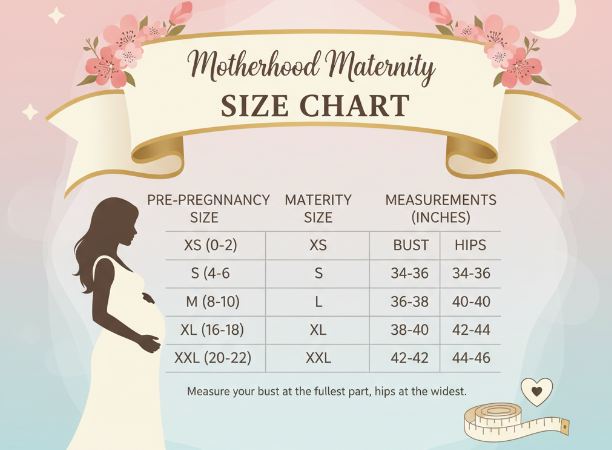
Navigating the world of maternity clothing can feel like learning a new language. As your body undergoes beautiful changes, your wardrobe needs to adapt. One of the biggest questions that comes up is sizing. How do you find clothes that fit well now and will continue to fit as your bump grows? This guide is here to demystify the Motherhood Maternity size chart. We will walk you through everything you need to know to shop with confidence, ensuring you find comfortable, stylish, and perfectly fitting clothes for every stage of your pregnancy. From understanding how maternity sizes work to measuring yourself correctly, we’ve got you covered. This comprehensive resource will help you build a functional and fashionable maternity wardrobe without the guesswork.
- Understanding the Basics of Maternity Sizing
- How to Measure Yourself for Maternity Clothes
- Decoding the Motherhood Maternity Size Chart for Tops and Dresses
- Finding the Perfect Fit: Maternity Jeans and Pants
- Sizing for Maternity Bras and Nursing Bras
- Plus Size and Petite Options
- Tips for Shopping Online with Confidence
- When to Start Buying Maternity Clothes
- Conclusion
Understanding the Basics of Maternity Sizing
Many people assume maternity sizing is a complex system that requires complicated conversions. The good news is that it’s usually much simpler than you think. Most maternity brands, including Motherhood Maternity, design their clothes to correspond with your pre-pregnancy size. So, if you typically wore a size medium before you were pregnant, you will likely wear a size medium in maternity clothes. The Motherhood Maternity size chart is built on this principle. The clothes are engineered with extra fabric, stretchy panels, and thoughtful designs to accommodate a growing belly, wider hips, and a larger bust. This means you don’t have to “size up.” Instead, you can shop for your usual size and trust that the garment is made for your changing shape. This approach simplifies the shopping process, allowing you to focus on style and comfort rather than struggling with numbers.
Why You Shouldn’t Just “Size Up” in Regular Clothes
It might be tempting to simply buy regular clothes in a larger size to accommodate your growing bump. While this can work for a short time, it often leads to a poor fit and discomfort. Regular clothing is not designed for a pregnant body. A larger shirt might fit your belly but will be too wide in the shoulders and too long in the arms. Pants in a bigger size might accommodate your hips but will be baggy in the legs and constantly slide down. This is where maternity wear makes a significant difference. Garments from the Motherhood Maternity size chart are specifically cut to fit a pregnant figure. They have features like ruching on the sides of tops, full-panel or under-belly waistbands on pants, and stretchy fabrics that grow with you. These details provide support and comfort that you just can’t get from sizing up in non-maternity clothing.
How to Find Your Pre-Pregnancy Size
If you’re unsure of your pre-pregnancy size, don’t worry. The easiest way to determine it is to think about the size you most comfortably wore in tops, pants, and dresses before you became pregnant. Was it a small, medium, or large? Or was it a specific numerical size like 6, 8, or 10? This is your starting point. If your weight fluctuated or you wore different sizes depending on the brand, try to identify the most common size in your closet. You can also take your measurements (bust, waist, hips) from before pregnancy if you have them. If not, you can take them now and compare them to a standard non-maternity size chart to find your approximate pre-pregnancy size. This will be the key piece of information you need when referencing the Motherhood Maternity size chart and selecting your new wardrobe.
How to Measure Yourself for Maternity Clothes
Getting accurate measurements is crucial for finding the best fit, even when using a familiar brand like Motherhood Maternity. Your body changes in more ways than just your belly, so keeping your measurements updated can make online shopping much more successful. All you need is a soft, flexible measuring tape. For the most accurate results, wear thin, fitted clothing or just your undergarments. Stand up straight in a relaxed, natural posture. It’s also helpful to have a friend assist you, but you can certainly do it on your own.
- Bust: Measure around the fullest part of your bust. Keep the tape parallel to the floor and snug, but not so tight that it compresses your chest.
- Under Bust/Band: Measure directly underneath your bust, where your bra band would sit. This is especially important for finding supportive nursing bras and tops.
- Hips: Measure around the fullest part of your hips and bottom. Again, ensure the tape is level and snug.
Keep these numbers handy when you consult the Motherhood Maternity size chart. Remember that your measurements will change throughout your pregnancy, so it’s a good idea to re-measure every month or two.
Decoding the Motherhood Maternity Size Chart for Tops and Dresses
Once you have your measurements and your pre-pregnancy size, you can confidently use the size chart. For tops and dresses, the primary measurements are your bust and your pre-pregnancy size. Motherhood Maternity typically uses alpha sizing (XS, S, M, L, XL) for these items. For instance, if you were a size 4-6 before pregnancy and had a bust measurement of 35-36 inches, you would likely be a size small. The designs incorporate features like ruching, empire waists, and A-line cuts that allow the fabric to drape over your belly without being tight. This ensures a comfortable fit from the first trimester through the postpartum period. Many tops and dresses also feature discreet nursing access, making them a great long-term investment. Don’t get too hung up on the numbers; think of the Motherhood Maternity size chart as a guide to get you started.
Finding the Perfect Fit: Maternity Jeans and Pants
Maternity jeans and pants are often the most intimidating items to shop for, but they can also be the most rewarding. A great-fitting pair of maternity jeans can make you feel comfortable and stylish. The Motherhood Maternity size chart for bottoms is based on your pre-pregnancy pant size. For example, if you wore a size 28 in jeans, you’ll look for a size 28 in maternity jeans. The main difference lies in the waistband. Motherhood Maternity offers several styles to accommodate different preferences and stages of pregnancy.
- Full Panel: This is the most popular style. A soft, stretchy panel pulls up and over your entire belly, providing gentle support.
- Under Belly: This style sits just below your bump, much like low-rise jeans. It’s a great option for the early stages of pregnancy and for those who don’t like fabric over their stomach.
- Side Panel: These jeans have stretchy, elastic panels built into the sides of the waistband, offering a more traditional look.
The choice of waistband is a matter of personal preference. Many women find the full panel offers the most comfort and security, especially in the third trimester.
Maternity Bottoms Sizing Table
Pre-Pregnancy Size | Jean Size | Alpha Size | Hip Measurement (inches) |
|---|---|---|---|
| 0-2 | 25-26 | XS | 35-36 |
| 4-6 | 27-28 | S | 37-38 |
| 8-10 | 29-30 | M | 39-40 |
| 12-14 | 31-32 | L | 41-43 |
| 16-18 | 33-34 | XL | 44-46 |
Sizing for Maternity Bras and Nursing Bras
Your breasts will likely be one of the first areas to change during pregnancy. Investing in comfortable, supportive maternity and nursing bras is essential. Sizing for bras is a bit more detailed. You’ll need two measurements: your band size (under bust) and your cup size (fullest part of your bust). To find your cup size, subtract your band measurement from your bust measurement. The difference in inches corresponds to a letter (e.g., 1 inch = A, 2 inches = B). The American College of Obstetricians and Gynecologists notes that breast changes are a normal part of pregnancy. The Motherhood Maternity size chart for bras is designed to accommodate these fluctuations. Many styles feature extra hook-and-eye closures and stretchy fabric to adapt with you. It’s wise to get fitted for a new bra at the beginning of your second trimester and again a few weeks before your due date to prepare for nursing.
Plus Size and Petite Options
Inclusivity is important, and Motherhood Maternity offers options for a range of body types. The brand provides plus-size maternity clothing that follows the same principle: shop your pre-pregnancy size. The Motherhood Maternity size chart for plus sizes is designed with proportions that cater to fuller figures, ensuring a comfortable and flattering fit. These items are labeled with a “P” for plus and use sizes like 1X, 2X, and 3X. Similarly, petite sizing is available for women who are 5’4″ and under. Petite maternity clothes have shorter inseams on pants, adjusted sleeve lengths, and hemlines that won’t overwhelm a smaller frame. When shopping for these specific size ranges, always refer to the corresponding chart to ensure you’re selecting the right garments for your unique proportions.
Tips for Shopping Online with Confidence
Shopping for maternity clothes online can be convenient, but it also comes with the challenge of not being able to try things on. To make your online shopping experience a success, start by taking your current measurements. Compare them against the most up-to-date Motherhood Maternity size chart on their website. Read customer reviews for insights on fit; other pregnant women often leave helpful comments about whether an item runs true to size, small, or large. Pay close attention to the fabric composition. Natural fibers like cotton and modal blends offer breathability, while a touch of spandex provides necessary stretch. Finally, familiarize yourself with the return policy. A flexible return policy gives you peace of mind, allowing you to order multiple sizes if you’re unsure and easily send back what doesn’t work. As you look for more lifestyle advice, you might find interesting articles at websites like talkradionews.co.uk.
When to Start Buying Maternity Clothes
There’s no strict rule about when to start wearing maternity clothes. The answer is simple: start shopping when your regular clothes become uncomfortable. For many, this happens around the end of the first trimester or the beginning of the second. You might notice your jeans getting tight or your tops starting to ride up over your small but growing bump. Some women may need them earlier, especially if it’s not their first pregnancy, while others can manage with their existing wardrobe for longer. Don’t wait until you’re desperate. It’s a good idea to start with a few key essentials, like a pair of maternity jeans or leggings and a couple of comfortable tops. You can then gradually add to your collection as your body changes and your needs evolve. A supportive maternity bra is also one of the first items many women purchase for added comfort.
Key Takeaways
- Stick to Your Size: Shop for your pre-pregnancy size. Maternity clothes are designed to fit that size with room for a growing baby bump.
- Measure Yourself: Take your bust, under-bust, and hip measurements for the most accurate fit, especially when shopping online.
- Prioritize Comfort: Look for stretchy, breathable fabrics like cotton, modal, and spandex blends.
- Invest in Essentials: Start with key pieces like a good pair of jeans, leggings, comfortable tops, and supportive bras.
- Check Return Policies: When shopping online, a good return policy allows you to find the perfect fit without risk.
Conclusion
Finding the right maternity clothes should be an exciting part of your pregnancy journey, not a stressful one. By understanding how to use the Motherhood Maternity size chart, you can confidently choose pieces that will make you look and feel great. Remember to start with your pre-pregnancy size, take accurate measurements, and pay attention to the specific features of each garment, from waistband styles to fabric types. Building a functional maternity wardrobe is about embracing your changing body with comfort and style. With these tips in hand, you’re ready to navigate maternity fashion and find the perfect fit for you and your growing bump.
Frequently Asked Questions (FAQ)
1. Should I size up in Motherhood Maternity clothes?
No, you should not size up. The Motherhood Maternity size chart is designed so you can purchase your pre-pregnancy size. The clothes are made with extra room and stretch to accommodate your changing body.
2. What is the difference between maternity and regular sizes?
Maternity clothes are cut differently than regular clothes. They have features like stretchy belly panels for pants, ruching on the sides of tops, and extra fabric to comfortably fit a growing bump, wider hips, and larger bust.
3. When should I buy a nursing bra?
It’s a good idea to get your first professional bra fitting around the start of the second trimester. You may want to buy another one a few weeks before your due date, as your cup size may increase again as you get ready for milk production. Look for styles with adjustable bands and stretchy cups.
4. How do I know my maternity jean size?
Your maternity jean size is typically your pre-pregnancy jean size. If you wore a size 8 (or 29) before you were pregnant, you should select the same size in maternity jeans. The fit will be the same in the hips and legs, with a specialized waistband for your belly.
5. Can I wear maternity clothes after giving birth?
Absolutely! Many maternity clothes, especially tops and dresses with nursing access, are perfect for the postpartum period. The stretchy and forgiving designs are comfortable while your body is recovering and transitioning back to its pre-pregnancy shape.