


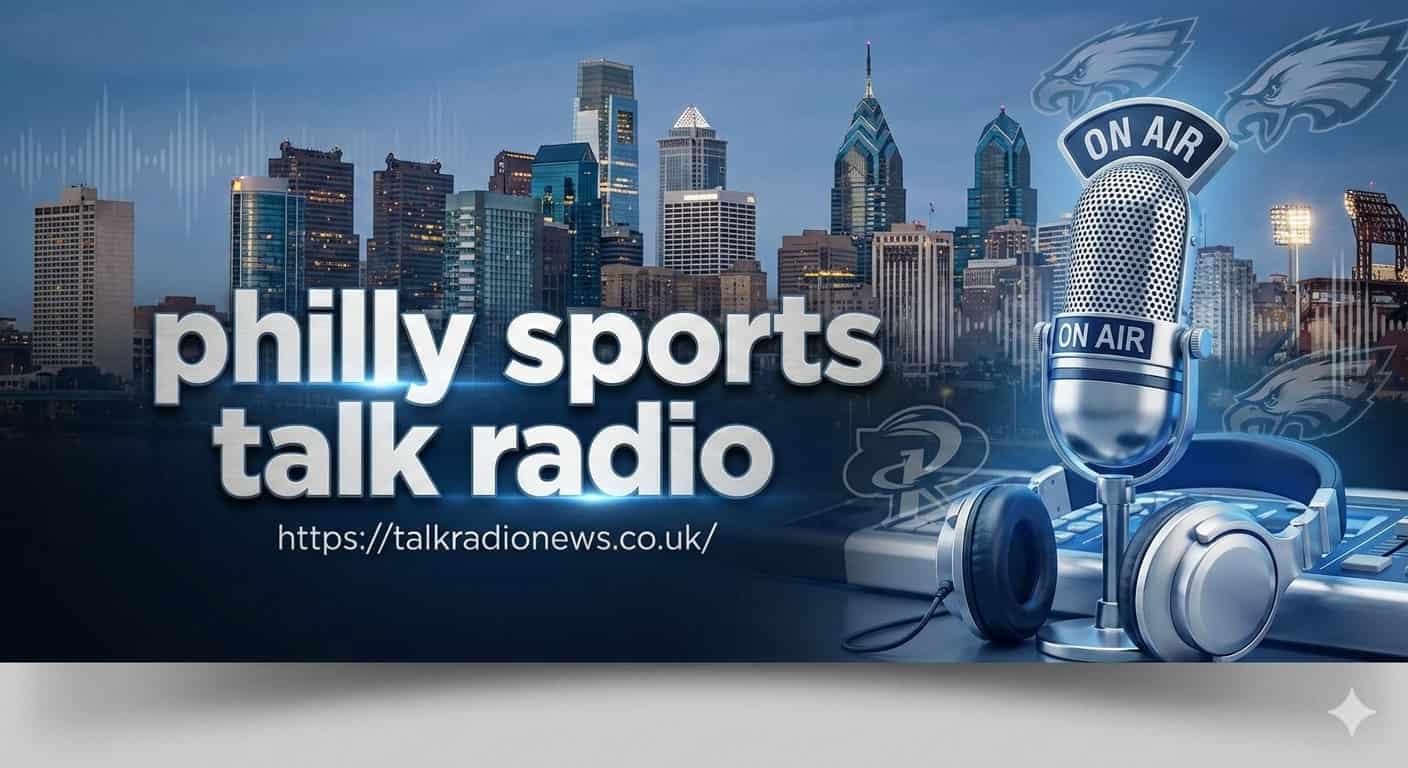
Philadelphia is a city that lives and breathes sports. From the Eagles to the Sixers, the passion here is unmatched. But the game doesn’t end when the final whistle blows. That’s when the real conversation begins. Philly sports talk radio is the lifeblood of this fandom, providing a 24/7 platform for debate, celebration, and sometimes, a little bit of commiseration. It’s where the pulse of the city beats the loudest.
- The Unique Bond Between Philly and Its Radio
- A Brief History of Sports Radio in Philadelphia
- Top Stations Dominate the Airwaves
- Meet the Voices: Famous Philly Hosts
- The Role of Callers in the Ecosystem
- How to Tune In: Listening Options
- Philly Sports Talk Radio vs. National Radio
- The Impact on Team Performance
- Sports Radio and the Community
- The Future of Sports Talk in Philadelphia
- Why It Matters More Than Just Sports
- Key Takeaways
- Frequently Asked Questions (FAQ)
Whether you are driving down I-95 or sitting at your desk at work, tuning in connects you to thousands of others who care just as much as you do. This article will take you through everything you need to know about this unique cultural phenomenon. We will explore the history, the hosts, the stations, and why this medium remains so vital in the digital age.
The Unique Bond Between Philly and Its Radio
Philadelphia fans are known for being knowledgeable and intense. This intensity translates perfectly to the radio format. Unlike other cities where sports talk might be background noise, here it is a primary source of entertainment and news. The relationship is symbiotic. The hosts feed off the energy of the callers, and the callers rely on the hosts to voice their collective frustrations or joys.
This bond creates a sense of community that is hard to find elsewhere. When the Phillies make a big trade or the Flyers fire a coach, the phone lines light up instantly. It is a town square for sports lovers. This connection is why philly sports talk radio has thrived for decades, even as other forms of media have changed.
Why Philadelphians Love to Talk
The desire to talk sports is ingrained in the culture here. It is not just about watching; it is about analyzing every play and questioning every coaching decision. Radio gives every fan a voice. You don’t have to be an expert analyst to have an opinion on the airwaves. You just need passion.
This democratic approach to sports media is what makes it so special. A construction worker can debate a lawyer about the Eagles’ draft picks, and for that moment, they are equals. It levels the playing field and brings people together from all walks of life.
A Brief History of Sports Radio in Philadelphia
To understand where we are today, we have to look back at how it all started. Philadelphia was a pioneer in the sports radio format. Long before podcasts and social media, radio was the only place to get instant analysis.
In the early days, sports talk was often relegated to short segments on news stations. However, as the appetite for sports content grew, so did the coverage. The launch of dedicated sports stations changed the game entirely. It allowed for deep dives into topics that general news stations couldn’t cover.
The Evolution of Sports Radio in Philadelphia
The transition from AM to FM was a major turning point. It improved the sound quality and reached a younger, broader audience. Suddenly, sports talk wasn’t just for the die-hard fanatics; it was for everyone.
Stations began to cultivate personalities rather than just announcers. These hosts became local celebrities, known for their strong opinions and distinct voices. This shift turned philly sports talk radio into an entertainment powerhouse, influencing how teams were covered and how fans interacted with the franchises.
Top Stations Dominate the Airwaves
When discussing sports radio in this city, a few heavy hitters come to mind. These stations have established themselves as the go-to sources for news and opinion. Each has its own flavor and loyal following.
Competition between stations is fierce, which is great for the listeners. It means they are constantly trying to outdo each other with better guests, breaking news, and more engaging segments. This rivalry keeps the quality of content high and ensures that no topic goes unaddressed.
94WIP: The Titan of Broad Street
94WIP is arguably the most recognizable brand in Philadelphia sports media. It has a long history and a roster of hosts that have become household names. They are the flagship station for the Eagles and the Phillies, giving them unparalleled access to the teams.
Their programming covers the entire day, from the morning drive to the late-night shift. If big news breaks, you can bet 94WIP is talking about it. Their influence is so significant that team management and players often listen in to gauge public sentiment.
97.5 The Fanatic: The Challenger
97.5 The Fanatic emerged as a strong competitor, offering a different vibe. They often appeal to a slightly younger demographic and focus heavily on the Sixers and Flyers. Their approach is often seen as more conversational and laid-back compared to the traditional style.
They have carved out a significant niche by hosting events and engaging with fans on social media. The rivalry between WIP and The Fanatic is a classic Philly battle, driving both stations to be their best.
Meet the Voices: Famous Philly Hosts
The hosts are the stars of the show. They are the ones who steer the conversation, provoke debates, and keep the audience entertained for hours on end. Being a host in Philadelphia is not for the faint of heart. You have to have thick skin and quick wit.
Over the years, many legends have graced the airwaves. Some are known for their encyclopedic knowledge, while others are famous for their hot takes and emotional rants.
Icons of the Airwaves
Names like Angelo Cataldi and Howard Eskin are synonymous with Philly sports. Even if you don’t agree with them, you listen to them. They have shaped the discourse for decades. Cataldi, in particular, was the king of the morning drive for over 30 years, creating a legacy that is hard to match.
Newer voices are also making their mark, bringing fresh perspectives and connecting with a new generation of fans. The torch is constantly being passed, ensuring that philly sports talk radio remains vibrant and relevant.
The Role of Callers in the Ecosystem
You cannot have sports talk radio without the callers. In Philadelphia, the callers are as much a part of the show as the hosts. Some regular callers have even become minor celebrities in their own right, with listeners recognizing their voices instantly.
Callers bring the raw emotion. They are the ones who sound like they are about to cry after a tough loss or scream with joy after a championship. They provide the authentic fan reaction that you can’t get from a polished journalist.
From “Regular Joes” to Local Legends
Certain callers have distinct personalities that add flavor to the broadcasts. They might have a catchphrase, a specific grievance they always bring up, or just a funny way of speaking. Hosts often have a rapport with these regulars, knowing exactly how to push their buttons to get a reaction.
This interaction is what makes the radio feel alive. It is unscripted and unpredictable. You never know who is going to call in next or what they are going to say, and that suspense keeps people listening.
How to Tune In: Listening Options
Gone are the days when you needed a transistor radio to catch the game. Today, there are countless ways to listen to your favorite shows. Technology has made it easier than ever to stay connected, no matter where you are in the world.
Whether you prefer traditional radio, streaming apps, or podcasts, the content is accessible at your fingertips. This accessibility has helped expand the audience beyond just the Philadelphia region. Ex-pats living in California or Florida can still feel like they are home by tuning in online.
Digital Streaming and Apps
Most major stations have their own apps or are available on platforms like Audacy. These apps often offer features like rewinding live radio or listening to past segments on demand. This is perfect for people who might miss the live broadcast due to work or other commitments.
You can also find segments clipped and shared on social media, allowing for quick consumption of the best moments. For more insights on radio trends and news, you can check out resources like talkradionews, which covers the broader industry landscape.
Philly Sports Talk Radio vs. National Radio
There is a distinct difference between local Philly radio and national sports talk. National shows have to appeal to a broad audience, so they cover big stories from New York, Los Angeles, and Dallas. They often lack the nuance and deep knowledge of specific local issues.
Local radio, on the other hand, can spend four hours debating the backup quarterback position for the Eagles. They know the history, the context, and the specific frustrations of the fanbase.
Comparison of Popular Philly Sports Radio Stations
Feature | 94WIP (Audacy) | 97.5 The Fanatic (Beasley Media) |
|---|---|---|
Primary Frequency | 94.1 FM | 97.5 FM |
Target Audience | Broad, Traditional Sports Fans | Younger, Modern Sports Fans |
Flagship Rights | Eagles, Phillies | Sixers, Flyers |
Tone | Authoritative, Legacy-driven | Conversational, energetic |
Streaming Availability | Excellent (Audacy App) | Excellent (Station App/Site) |
The Impact on Team Performance
Does what is said on the radio actually affect the teams? Many players and coaches claim they don’t listen, but in reality, the noise is hard to ignore. When the entire city is talking about a player’s slump, it creates pressure.
Conversely, when the radio is buzzing with positivity, it can create a wave of support that boosts the team. The “home field advantage” in Philadelphia is partly fueled by the energy generated on the airwaves leading up to the game.
Pressure Cooker or Motivation?
Some athletes thrive on the criticism, using it as fuel to prove the doubters wrong. Others might crumble under the weight of expectation. It takes a special kind of mental toughness to play in Philadelphia, and navigating the media landscape is part of the job description.
Coaches are also scrutinized heavily. A bad call on Sunday will be dissected frame-by-frame on Monday morning radio. This constant accountability keeps everyone on their toes.
Sports Radio and the Community
Beyond the games, philly sports talk radio plays a significant role in the community. Stations often organize charity events, food drives, and fundraisers. They use their platform to give back to the city that supports them.
These events strengthen the bond between the station and the listeners. It shows that they are not just businesses; they are neighbors who care about the well-being of Philadelphia.
The Wing Bowl Legacy
One of the most famous (and infamous) examples of community events was the Wing Bowl. Organized by WIP, it started as a small eating contest and grew into a massive spectacle filling the Wells Fargo Center. While it no longer exists, it is a testament to the power of radio to mobilize thousands of people for a common cause—even if that cause is eating chicken wings at 6 AM.
Other events are more focused on philanthropy, raising millions for local hospitals and youth programs. This charitable spirit is a core value of the Philly sports community.
The Future of Sports Talk in Philadelphia
As media consumption habits change, sports radio must adapt. The rise of podcasts and YouTube channels offers new competition. However, the live, interactive nature of radio gives it a unique advantage that is hard to replicate.
The future likely involves a hybrid model, where live radio is supplemented by on-demand digital content. Stations are already moving in this direction, producing video streams of their shows and exclusive podcast content.
Adapting to a Digital World
The key to survival is staying relevant to younger fans. This means engaging on platforms like Twitter (X) and TikTok, where the conversation is happening in real-time. By meeting fans where they are, philly sports talk radio can ensure it remains the voice of the city for generations to come.
According to a report by the Pew Research Center, terrestrial radio still reaches a massive audience, proving that the medium is far from dead.
Why It Matters More Than Just Sports
At its core, this isn’t just about batting averages or salary caps. It is about shared identity. In a world where people are increasingly isolated, sports radio provides a sense of belonging. It is a common language that everyone in the region speaks.
When the Eagles won the Super Bowl, the radio wasn’t just analyzing the game; it was broadcasting pure, unadulterated joy. It captured the emotion of a city that had waited a lifetime for that moment. That is the magic of this medium.
A Shared Emotional Outlet
Radio acts as a collective therapy session. After a heartbreaking loss, fans call in to vent, and in doing so, they realize they aren’t alone in their pain. It validates their feelings and helps them move on to the next game.
This emotional connection is what makes advertisers love sports radio. Listeners are engaged and trust the voices they hear daily. For more on the psychology of sports fandom, you can read insights from the Association for Applied Sport Psychology.
Key Takeaways
- Community Hub: Philly sports talk radio serves as a central meeting place for fans to celebrate, vent, and debate.
- Major Players: The landscape is dominated by 94WIP and 97.5 The Fanatic, each with distinct styles and team affiliations.
- Interactive Nature: The relationship between hosts and callers is unique, creating dynamic and unscripted entertainment.
- Digital Shift: While traditional radio remains strong, stations are adapting with apps, streaming, and podcasts to reach new audiences.
- Cultural Impact: The radio scene influences the mood of the city and even the pressure felt by players and coaches.
Frequently Asked Questions (FAQ)
Q: What is the best Philly sports talk radio station?
A: It depends on your preference! 94WIP is great for traditional coverage and is the home of the Eagles and Phillies. 97.5 The Fanatic tends to appeal to younger fans and covers the Sixers and Flyers extensively.
Q: How can I listen to Philly sports talk radio online?
A: You can listen via the stations’ official websites, or use apps like Audacy (for WIP) or the 97.5 The Fanatic app. Smart speakers can also stream these stations.
Q: Do the athletes actually listen to the radio?
A: Many deny it, but it is an open secret that players, coaches, and their families often tune in to hear what is being said about them.
Q: Can anyone call in to these shows?
A: Yes! That is the beauty of it. You just need to dial the station’s number. However, be prepared to wait on hold, especially after a big game.
Q: Why is sports radio so popular in Philadelphia specifically?
A: Philadelphia has a deeply passionate and knowledgeable fanbase. The city’s culture encourages speaking your mind, which aligns perfectly with the talk radio format.





Leave a comment