


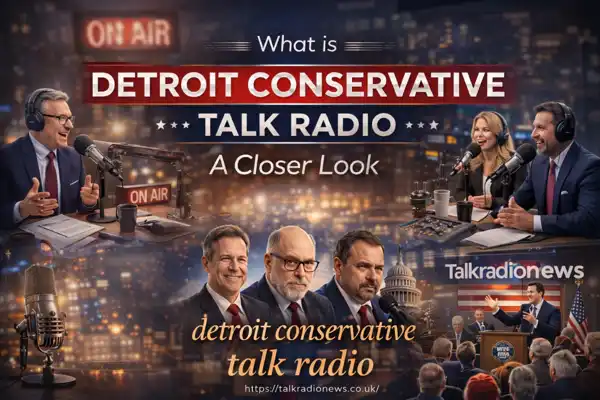
Detroit has a rich and complex media landscape, and its airwaves are a big part of that story. Understanding the world of Detroit conservative talk radio gives you a clearer picture of the conversations shaping the region. This isn’t just about politics; it’s about community, culture, and the diverse viewpoints that make up Metro Detroit. We will explore the key stations, notable personalities, and the role this format plays in the local media ecosystem.
- Key Takeaways
- The History of Talk Radio in Detroit
- Key Stations Broadcasting Conservative Content
- Prominent Local Hosts and Their Focus
- Nationally Syndicated Shows on Detroit Airwaves
- Comparing the Major Detroit Talk Radio Stations
- How Listeners Engage with Talk Radio
- The Business Model Behind Talk Radio
- The Role of Talk Radio in Local Politics
- Conclusion
- Frequently Asked Questions (FAQ)
This article provides a neutral overview of the hosts, stations, and programming that define conservative talk radio in the Detroit area. We’ll look at the history of this format, compare the major players, and examine how listeners engage with the content. Whether you’re a long-time listener or just curious, this breakdown will give you the essential information you need.
Key Takeaways
- Major Stations: The Detroit market is primarily served by a few key AM stations that dedicate significant airtime to conservative talk, including WJR 760 AM and WFDF 910 AM Superstation.
- Influential Hosts: Both local and nationally syndicated hosts have a strong presence. Local voices offer a Detroit-specific perspective, while national figures provide a broader conservative viewpoint.
- Listener Engagement: Call-in segments, social media interaction, and community events are crucial for how these stations build and maintain their audience.
- Programming Mix: Content typically blends political commentary, news analysis, and lifestyle topics, all viewed through a conservative lens.
- Media Role: Conservative talk radio serves as an influential platform for political discourse and community organizing within its specific audience demographic.
The History of Talk Radio in Detroit
Talk radio has been a fixture in Detroit for decades. It evolved from its early days of general-interest programs into the more politically focused format we know today. In the 1980s and 1990s, the rise of nationally syndicated conservative hosts created a new blueprint for AM radio stations across the country, and Detroit was no exception.
Stations that once played music or offered broader community programming began to see the appeal of a dedicated political format. This shift allowed them to build a loyal and highly engaged audience. In Detroit, this evolution was shaped by the city’s unique industrial history, political dynamics, and diverse population. Early pioneers of the format helped establish the foundation for what would become a powerful force in local media, setting the stage for the current landscape of Detroit conservative talk radio.
Key Stations Broadcasting Conservative Content
When you scan the AM dial in Detroit, a few key stations stand out for their conservative talk programming. The most prominent is WJR 760 AM, a 50,000-watt powerhouse that has long been a home for conservative voices. Its programming is a mix of local shows hosted by well-known Detroit personalities and popular nationally syndicated programs. WJR has built a reputation as a legacy station with a deep connection to the community.
Another significant player is WFDF 910 AM, which brands itself as the “Superstation.” This station also features a lineup of conservative hosts, often providing an alternative or complementary voice to WJR. While other stations may air some syndicated conservative shows, WJR and WFDF are the primary destinations for listeners seeking this specific format consistently throughout the day. These stations form the core of the conservative talk radio scene in the city.
Prominent Local Hosts and Their Focus
Detroit’s talk radio scene is not just about national names; local hosts provide a uniquely Michigan-centric perspective. These personalities often become synonymous with the city’s daily conversation, discussing everything from local politics in Lansing and Detroit City Hall to the performance of the Lions and Red Wings. Their connection to the area allows them to address issues that matter most to residents.
Paul W. Smith, a longtime morning host on WJR, is a perfect example. While his show covers national topics, its core has always been rooted in Michigan business, politics, and culture. He is known for interviewing governors, CEOs, and community leaders, providing a platform for local issues. Other hosts focus more intensely on state-level policy or social commentary, giving listeners a variety of viewpoints that are all grounded in a shared local experience. This local flavor is a key reason listeners tune in daily.
Nationally Syndicated Shows on Detroit Airwaves
While local hosts anchor the daily schedule, nationally syndicated shows are a major component of Detroit conservative talk radio. These programs bring a broader, national perspective to the local airwaves, connecting Detroit listeners with a nationwide conservative conversation. Hosts like Sean Hannity, Mark Levin, and Dan Bongino are broadcast on Detroit’s key talk stations, typically filling the afternoon and evening slots.
These shows focus on federal politics, national security, and cultural debates from a conservative viewpoint. Their presence allows local stations to offer 24/7 programming without the expense of producing all content in-house. For the listener, it provides consistency; they can hear the same trusted voices whether they are in Detroit, Dallas, or Denver. This blend of local and national content is a strategic choice that helps stations capture and retain a broad audience.
Comparing the Major Detroit Talk Radio Stations
Listeners in Detroit have a couple of main choices for conservative talk, each with a slightly different feel. WJR 760 AM and WFDF 910 AM are the primary competitors, and they distinguish themselves through their host lineups, tone, and overall programming strategy. WJR is often seen as the more established, legacy station, while WFDF has positioned itself as a bold alternative.
Here is a simple comparison of the two leading stations:
Feature | WJR 760 AM | WFDF 910 AM |
|---|---|---|
History | Long-standing “Great Voice of the Great Lakes” | More recently established as a talk leader |
Signal Strength | 50,000 watts, very wide coverage | Strong signal covering Metro Detroit |
Host Mix | Blend of established local and top national hosts | Primarily nationally syndicated conservative hosts |
Tone | Generally more traditional and mainstream conservative | Often features more provocative and populist voices |
Focus | Strong emphasis on Michigan business and politics | Heavy focus on national political commentary |
This table shows that while both stations serve a similar audience, they offer different listening experiences. WJR balances local and national content with a more traditional feel, whereas WFDF provides a lineup more heavily focused on national firebrands.
How Listeners Engage with Talk Radio
Talk radio is an interactive medium by nature, and listener engagement is its lifeblood. The most classic form of participation is the call-in segment, where listeners can voice their opinions, ask questions of the host, or debate a topic live on air. This direct interaction creates a sense of community and makes the audience feel like part of the show. It’s a powerful tool for building loyalty.
In the modern era, engagement has expanded far beyond the phone lines. Stations and hosts are active on social media platforms like X (formerly Twitter) and Facebook, where they post show topics, interact with followers, and share clips. Many shows also have dedicated text and email lines for listeners who prefer not to call in. Furthermore, stations often host live events, remote broadcasts, and meet-and-greets, allowing hosts and their audiences to connect in person.
The Business Model Behind Talk Radio
Conservative talk radio operates on a straightforward and effective business model. The primary source of revenue is advertising. Stations sell commercial slots to local and national businesses looking to reach their specific audience demographic. Because the listenership of talk radio is often older, more affluent, and highly engaged, it is considered a valuable target for advertisers in sectors like finance, home improvement, healthcare, and automotive.
Another key component is syndication. National hosts sell their shows to stations across the country, creating a network that is attractive to large, national brands. The local station pays a fee for the rights to air the show but gets to sell a portion of the ad time to local businesses. This symbiotic relationship allows both the syndicator and the local affiliate to profit. Finally, some hosts and stations generate revenue through paid subscriptions for podcasts, newsletters, and other premium content.
The Role of Talk Radio in Local Politics
Detroit conservative talk radio plays a significant role in the local and state political landscape. Hosts often serve as influential commentators, shaping public opinion on candidates, ballot initiatives, and legislative debates in Lansing. They provide a platform for conservative politicians to speak directly to a friendly and engaged audience, helping them bypass traditional media outlets.
During election seasons, these stations become even more important. They host candidate interviews, debates, and town halls, giving listeners direct access to those running for office. Hosts may offer endorsements or heavily scrutinize candidates, influencing how their audience perceives them. This platform also serves as a tool for political mobilization, with hosts encouraging listeners to vote, contact their representatives, or attend rallies. For more general updates, you can always check the latest from Talk Radio News.
Conclusion
The world of Detroit conservative talk radio is a dynamic and influential part of the region’s media environment. Through a mix of powerful local hosts and popular national figures, stations like WJR and WFDF have cultivated a loyal audience that is deeply engaged in political and cultural discourse. This format serves as more than just entertainment; it is a community hub and a significant player in shaping local and state conversations.
Disclaimer: This article is based on publicly available information, including station programming schedules and host career histories. It is intended for informational purposes only.
Frequently Asked Questions (FAQ)
What is the main conservative talk radio station in Detroit?
WJR 760 AM is widely considered the main station for conservative talk in Detroit. It is a powerful 50,000-watt station featuring a mix of prominent local hosts and top-rated nationally syndicated shows, and it has a long history in the market.
Can I listen to Detroit talk radio online?
Yes, most major Detroit radio stations, including WJR and WFDF, offer live streaming through their websites and mobile apps. Many also make show segments and full episodes available as podcasts for on-demand listening.
Who are the most popular national hosts on Detroit radio?
Popular nationally syndicated conservative hosts heard on Detroit radio include figures like Sean Hannity, Mark Levin, and Dan Bongino. Their shows are carried by local affiliates and typically air in the afternoon and evening slots.
Does Detroit have liberal talk radio stations?
While the conservative talk format is more dominant on the AM dial, some stations may offer progressive or liberal programming. WFDF 910 AM has previously featured a lineup of progressive hosts, though station formats can and do change over time.
How does talk radio make money?
Talk radio primarily generates revenue through on-air advertising sold to local and national businesses. Other income sources include fees for broadcasting syndicated shows, listener donations, and subscriptions for premium content like commercial-free podcasts.









Leave a comment